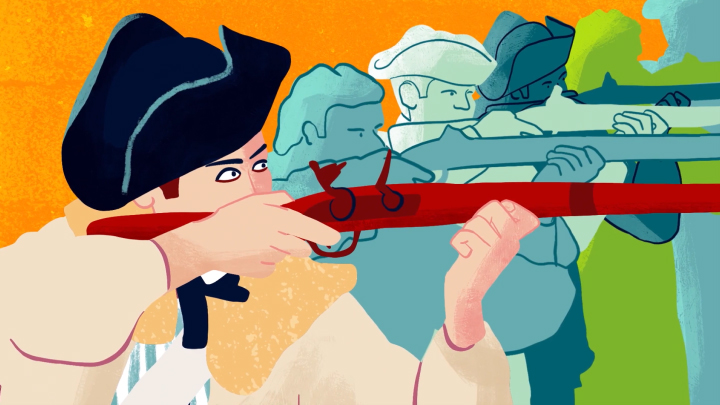
What Is History?
How can studying the past help us understand the present?
Historical Period
Skills and Conceptscontributing partners


What is history and how do we study it? Explore the difference between primary and secondary sources, why it’s important to search for more than one source, and why learning about our past can tell us more about our present.
00:00:04 The Ancient Egyptians. The American Revolution. The Moon landings.
00:00:11 What do they all have in common? They are all part of history.
00:00:17 History is the study of events that happened in the past:
00:00:21 By learning about exciting discoveries, important battles, and people's everyday lives, we can understand the past - and see how it affects communities today.
00:00:32 People can learn about history in many different ways.
00:00:35 Objects like clothing, tools, and games can show us how people lived and worked in the past.
00:00:41 Important documents, like the Constitution, can show us how leaders thought at the time.
00:00:46 We can also read books and diaries to find out about people's lives.
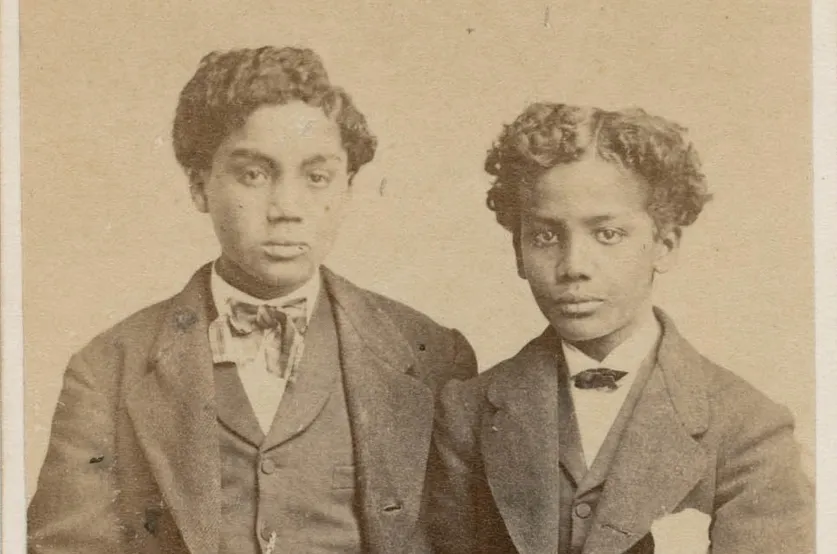
00:00:51 And study paintings and photographs to see how the past might have looked.
00:00:58 History is also shared through stories that are passed down, often from family member to family member, sometimes over hundreds of years.
00:01:06 These are called oral histories because they are spoken, not written.
00:01:12 But when studying history, it's important to remember that some sources might not tell the whole story or may include mistakes.
00:01:20 So it's important to check multiple sources.
00:01:24 Learning about history is important because it helps us understand different cultures, ideas, and traditions from around the world.
00:01:33 And by looking at what happened in the past, we can better understand our world today.
What is history and how do we study it? Explore the difference between primary and secondary sources, why it’s important to search for more than one source, and why learning about our past can tell us more about our present.
00:00:04 The Ancient Egyptians. The American Revolution. The Moon landings.
00:00:11 What do they all have in common? They are all part of history.
00:00:17 History is the study of events that happened in the past:
00:00:21 By learning about exciting discoveries, important battles, and people's everyday lives, we can understand the past - and see how it affects communities today.
00:00:32 People can learn about history in many different ways.
00:00:35 Objects like clothing, tools, and games can show us how people lived and worked in the past.
00:00:41 Important documents, like the Constitution, can show us how leaders thought at the time.
00:00:46 We can also read books and diaries to find out about people's lives.
00:00:51 And study paintings and photographs to see how the past might have looked.
00:00:58 History is also shared through stories that are passed down, often from family member to family member, sometimes over hundreds of years.
00:01:06 These are called oral histories because they are spoken, not written.
00:01:12 But when studying history, it's important to remember that some sources might not tell the whole story or may include mistakes.
00:01:20 So it's important to check multiple sources.
00:01:24 Learning about history is important because it helps us understand different cultures, ideas, and traditions from around the world.
00:01:33 And by looking at what happened in the past, we can better understand our world today.
Export Slides & Handouts
This video is ready-to-go as a presentation for classroom facilitation with questions, vocabulary and transcripts via Google.
Export Slides & Handouts
This video is ready-to-go as a presentation for classroom facilitation with questions, vocabulary and transcripts via Google.
What Is History?
Viewing:
Comprehension Questions
Designed to boost comprehension, build knowledge, and increase retention – use these questions to help solidify student understanding and hone in on key ideas from the video.
Gist
-
1.
What is history?
-
2.
Why is it important to study the past?
-
3.
What are the different ways we can learn about history?
building ideas
-
4.
Why is it important to use multiple sources when learning about history?
-
5.
How do oral histories help us understand our past?
-
6.
How does learning history help us understand the world?
synthesis
-
7.
The video listed a few examples of sources that you might use when studying history, such as objects, documents, and artwork. What are some other sources that you can think of and what types of information might they tell you about the past?
-
8.
What are some questions we could ask to help us better understand the history of our families, school, community, or state?
-
9.
Imagine that you find a diary from a kid who lived in your town fifty years ago. What information might you learn from the diary? How might you use multiple sources to help you understand the diary? Why might this be important?
-
10.
What would you like to learn about the past that might help you understand what is happening in our world today?
Gist
-
1.
What is history and what does it include?
-
2.
Why is it important to study the past?
-
3.
What are oral histories?
building ideas
-
4.
What types of sources does the video identify for gaining knowledge about the past, and what can you learn from each type?
-
5.
Why is it important to consider multiple sources instead of relying on only one source of information?
-
6.
How do oral histories add to our understanding of the past? What challenges might come with using them as evidence?
synthesis
-
7.
A historian is a person who studies history. What are some questions that a historian might ask about life in the past? Why would a historian want this knowledge?
-
8.
Suppose you discover a newspaper written 100 years ago about events in your community. What information could you gain from this source? What additional sources could you consult to verify or add to what you learned?
-
9.
How can studying historical events, cultures, and ideas shape the way we think about issues in the modern world?
Vocabulary
Use these related vocabulary terms to build students’ understanding and support more meaningful discussions and learning outcomes in your classroom.
Found in This Collection, 1 items
There’s even more for Beta Users
Get Access to Everything
More Videos In:
Skills and Concepts
 2:09
2:09
Maps and Globes
 1:50
1:50
Timeline Tutorial
 1:53
1:53
Who Constructs History?
 2:00
2:00
How is History Constructed?
 4:02
4:02
The Getting Word Oral History Project
 1:58
1:58
Symbols
 1:43
1:43
The Bald Eagle
 2:03
2:03
U.S. Landmarks