Newspaper Advertisement for Eve, 1782
An advertisement in The Virginia Gazette, dated February 2, 1782, reports the escape of an enslaved woman named Eve and offers a reward for her return
Historical Period
The American Revolution and A New Nationcontributing partner


TWENTY DOLLARS REWARD
FOR apprehending EVE, a Negro woman slave, who left York after the surrender; she is about
forty years old, very black and slender, has a small mouth for a Negro, and a remarkable mole
on her nose: She has since been seen on her way to Hampton. She carried with her a variety
of striped and checked Virginia cloth clothes. Whoever delivers her to the subscriber in Rich-
mond, shall receive the above reward.
HARRISON RANDOLPH.
Simplified text and excerpts coming soon!
About
This advertisement, published in The Virginia Gazette on February 2, 1782, reports the escape of an enslaved woman named Eve. It was placed by Harrison Randolph on behalf of his aunt, Elizabeth Randolph. Eve had escaped the Randolphs’ Williamsburg home after the 1781 Siege of Yorktown. This copy of the ad was kept by St. George Tucker, a neighbor who knew her. Eve had a son named George, who reportedly left with her. Ads about escaped enslaved persons reveal the choices that enslaved people made and highlight their courage, resilience, and agency. They also show how enslavers used newspapers to track escapees and how slavery was publicly reinforced through the press in 18th-century Virginia.
Start Prepping for Class
Customize this page for your students' needs or grab ready-to-go assets and take it all to class
Newspaper Advertisement for Eve, 1782
Viewing:
Analysis Questions
Foster inquiry and understanding with these source-specific questions, designed to be accessible even for those with limited background knowledge.
say hello to the source
-
1
Look over the document, without reading it closely. What do you notice?
-
2
Read the advertisement. Note that at this time, the letter “s” was often printed in a way that looks like the letter “f”. What questions do you have about the ad?
make observations
-
3
Who is the “subscriber” referred to in the ad?
-
4
What is meant by the “above reward,” and what does someone have to do to receive it?
-
5
Based on this primary source, is it known whether Eve was recaptured or remained free?
-
6
How would you summarize the ad to another student who doesn’t have access to this primary source?
interpret what you see
-
7
Based on what you read, what do we know about Eve? Why do you think these details were included in the ad? What don’t we know about Eve?
-
8
What conclusions can you draw about the person who wrote this advertisement? What makes you say that?
-
9
The “surrender at York” refers to the pivotal battle in Yorktown, Virginia, in 1781, where the British surrendered and the American Revolution was won. Why might Eve have chosen to flee at that time?
-
10
How reliable do you think this advertisement is as a source for understanding Eve? What makes you say that?
use it as evidence
-
11
What does this advertisement tell you about the role of print media, like newspapers, in the system of slavery?
-
12
Why might advertisements for escaped enslaved persons be helpful sources for historians?
Vocabulary
Use these related vocabulary terms to build students’ understanding and support more meaningful discussions and learning outcomes in your classroom.
start customizing
A new way to prep for class
Every source on history.org can now be customized by you! Adjust text, change the layout, add questions, remove others, and style it for every learner in your room — then share or export in one click.
Teach It Your Way
Add context, remove complexity, and adjust the text to match the way you teach.
Style for Your Classroom
Adjust text size, spacing, and structure so the content fits your students' needs.
Spark & Guide Discussions
Scaffold discussion and support for every learner with the language they need to engage.
Build with Vetted Content
Easily pull in additional sources, videos, and context directly from the history.org library.
Citation & Details
Citations
- Creator: “The Virginia Gazette”
- Date Created: February 2, 1782
- Point of Origin: Virginia
- Citation Label: Special Collections Research Center, Swem Library, College of William and Mary
Sources used to create the analysis questions include:
Colonial Williamsburg Foundation. (2025, March 31). Escaping to Freedom. Colonial Williamsburg. https://www.colonialwilliamsburg.org/discover/18th-century-people/stories-of-women/escaping-to-freedom
Museum of the American Revolution. (n.d.). St. George Tucker’s letter to Fanny Tucker [Virtual exhibit, Finding Freedom]. https://www.amrevmuseum.org/virtualexhibits/finding-freedom/pages/eve-st-george-tucker-s-letter-to-fanny-tucker
Museum of the American Revolution. (n.d.). Eve – Peyton Randolph’s will. https://www.amrevmuseum.org/virtualexhibits/finding-freedom/pages/eve-peyton-randolph-s-wil
Related Educational Videos(1)
Found in This Collection, 1 items
There’s even more for Beta Users
Get Access to Everything
More Primary Sources In:
The American Revolution and A New Nation
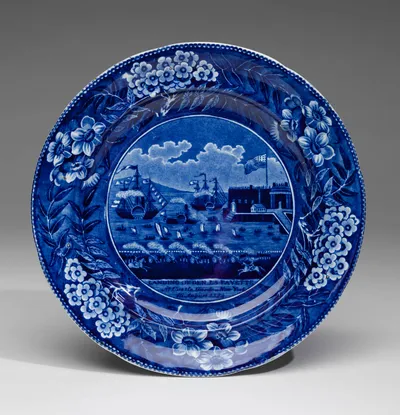
Landing of General Lafayette
Prospect Hill. Bunker's Hill.
British Surrender at Yorktown, 1781
Teapot
Washington and His Generals at Yorktown
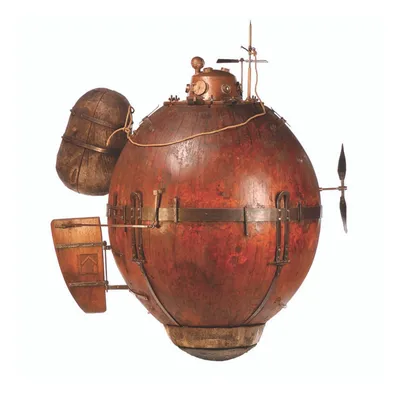
Bushnell Submarine Turtle
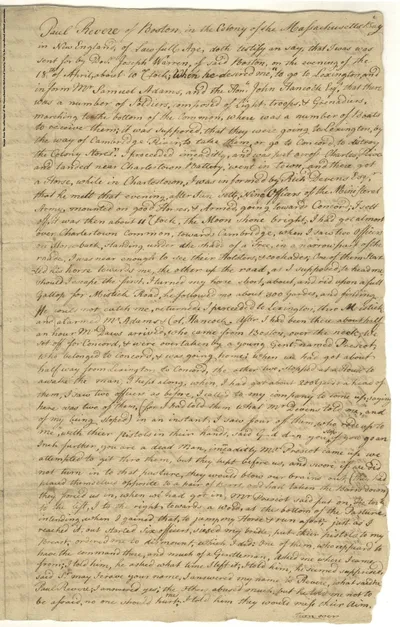
Paul Revere Deposition of the Midnight Ride, 1775
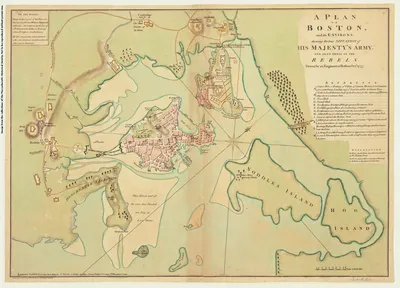
A Plan of Boston, and its Environs Shewing the True Situation of His Majesty's Army