Page content
General Information
Colonial Williamsburg is the world's largest outdoor living history museum, located in Williamsburg, Virginia, about 150 miles south of Washington, D.C., USA.
Mission /
Historical Significance /
CW Today /
Educational Outreach
Visitors /
Philanthropic Support /
Principal Officers /
More Info /
Directions
Colonial Williamsburg Foundation Mission Statement
To help the future learn from the past
- by preserving and restoring 18th-century Williamsburg.
- by engaging, informing, and inspiring people as they learn about this historic colonial capital, the events that occurred here, and the diverse peoples who helped shape our new nation.
The historical significance of Williamsburg
From 1699 to 1780 Williamsburg was the capital of England's oldest, largest, richest and most populous colony and the seat of power in the new nation's most influential state. Named in honor of William III, King of England, and designed by Royal Gov. Francis Nicholson, Williamsburg is one of the country's oldest planned communities.
In its shops, taverns, government buildings, homes and streets George Washington, Thomas Jefferson, Patrick Henry, George Mason and other Virginia patriots established the idealsliberty, independence and personal freedomthat influenced the founding of our nation and have inspired generations of Americans and others around the world. Here:
- Patrick Henry on May 30, 1765, offered to the colonial assembly, called the House of Burgesses, his resolutions in defiance of the Stamp Act in his Caesar-Brutus speech.
- George Washington on May 16, 1769, introduced the Virginia Resolves against the Townshend Acts - one of the colonies' first challenges to British authority.
- The House of Burgesses on May 15, 1776 unanimously adopted Virginia's Resolution for Independence and called for the other colonies to declare their independence, which they did at the Continental Congress in Philadelphia in July.
- George Mason on June 12, 1776 produced the Virginia Declaration of Rights, which became the model for the federal Bill of Rights.
- The new commonwealth adopted the pioneering Virginia Constitution of 1776.
- Thomas Jefferson in June 1779 introduced his Statute for Religious Freedom, which set forth the doctrine of separation of church and state, and laid the groundwork for the First Amendment.
The restoration of Williamsburg
Jefferson moved Virginia's government to Richmond in 1780. After the nearby Battle of Yorktown in 1781, the city became a quiet country town disturbed only by Union Gen. George McClellan's 1862 Peninsula Campaign during the Civil War.
In 1926 the Rev. Dr. W.A.R. Goodwin, rector of Bruton Parish Church, approached John D. Rockefeller, Jr. about restoring the sleepy village of his ministry to its colonial past. Rockefeller proceeded cautiously at first, investing a property at a time in Goodwin's vision. Rockefeller secretly authorized the purchase of the first property, the Ludwell-Paradise House, on Dec. 7, 1926 in a telegram signed, David's father.
Rockefeller's enthusiasm grew to match Goodwin's. Guided by the goal of providing an opportunity to remind future Americans of the patriotism and purpose of the past, Rockefeller supported and financed Williamsburg's restoration until his death in 1960. He and his wife, Abby, maintained a close personal interest in the restoration and spent part of each year at Bassett Hall, their Williamsburg home.
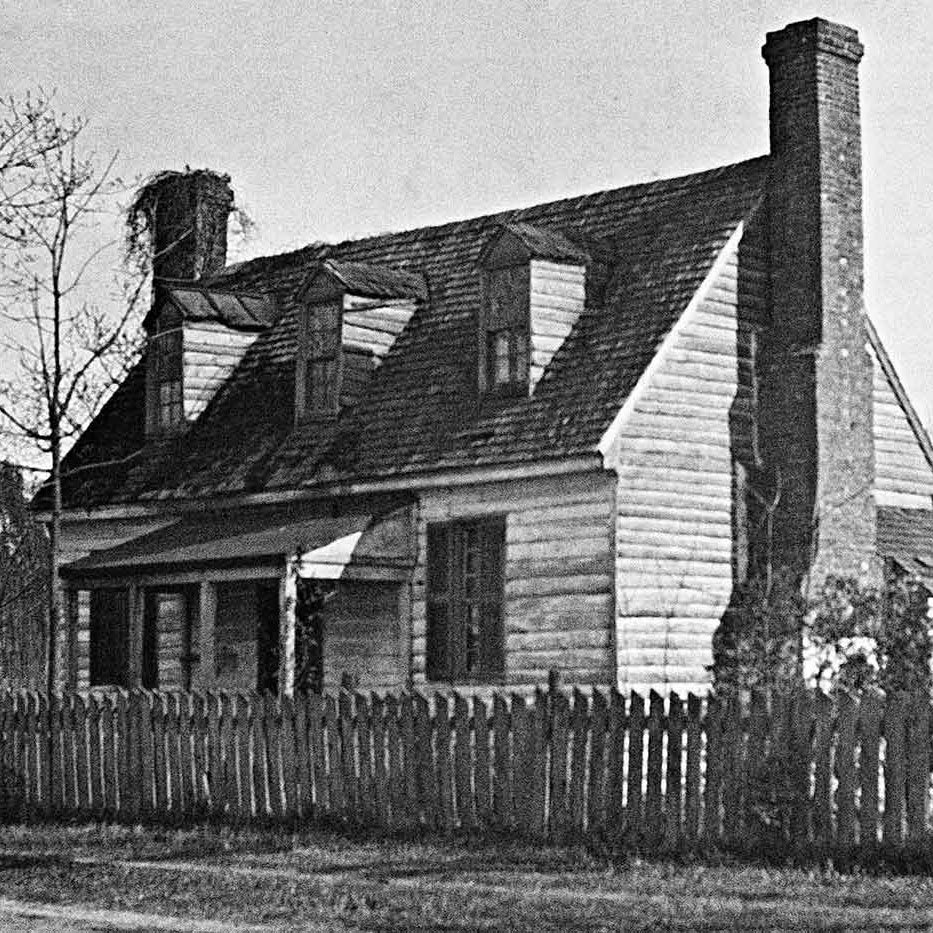
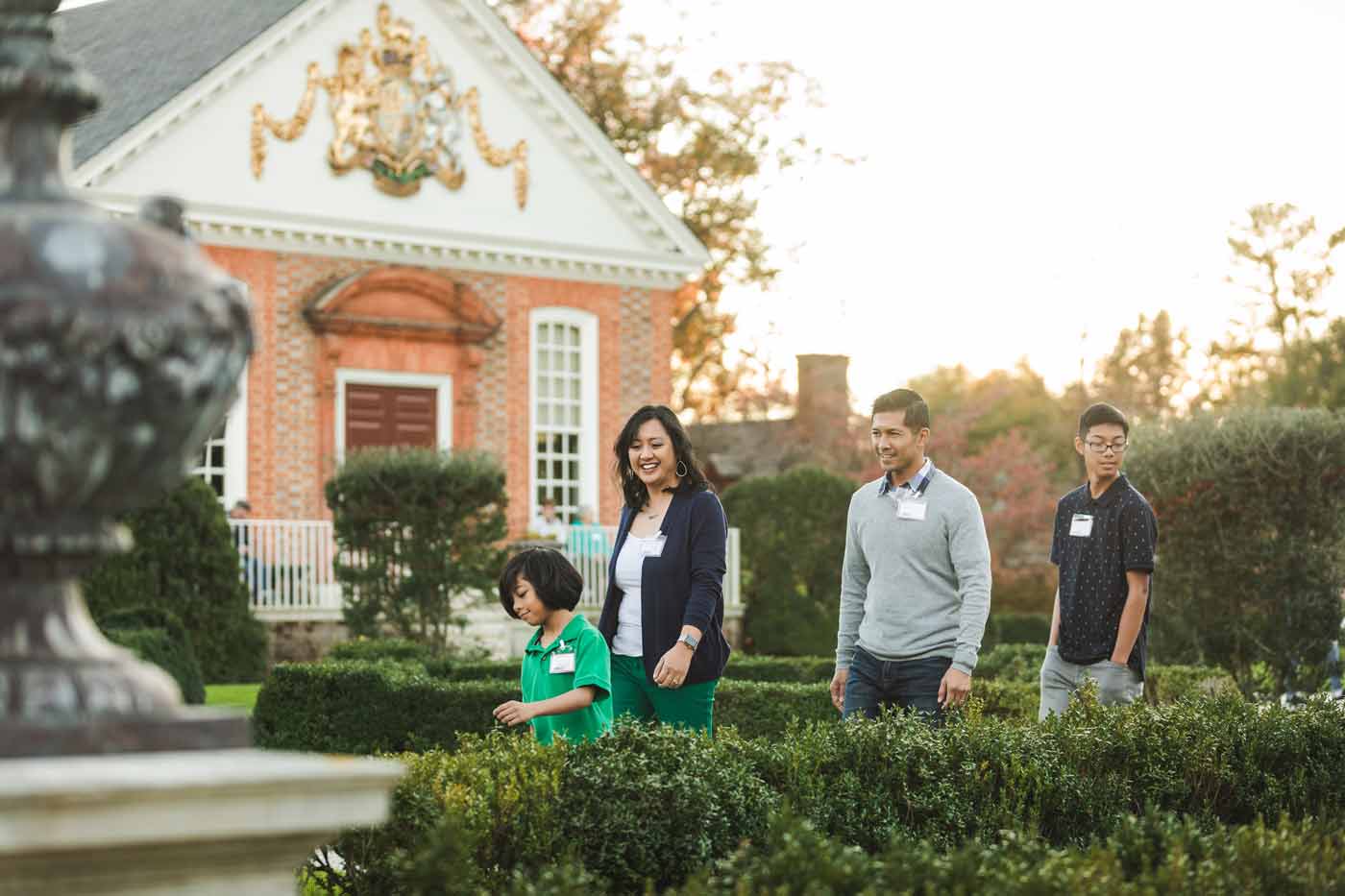
The restored city is presented in the 173-acre Historic Area, which comprises 88 original buildings and hundreds of other homes, shops, public buildings and other structures that have been reconstructed, most on their original foundations. The reconstructed Raleigh Tavern opened as the first public exhibition building in September 1932.
Colonial Williamsburg today
The Colonial Williamsburg Foundation is a private, not-for-profit educational institution that receives no regular state or federal funding. The foundation preserves and interprets the Historic Area and operates for-profit subsidiaries that include hotels and restaurants, convention facilities, golf courses and sales of licensed products and reproductions.
Best known for the Historic Area, the foundation also operates The DeWitt Wallace Decorative Arts Museum, the Winthrop Rockefeller Archaeology Museum, the Abby Aldrich Rockefeller Folk Art Museum, Bassett Hall and Carter's Grove.
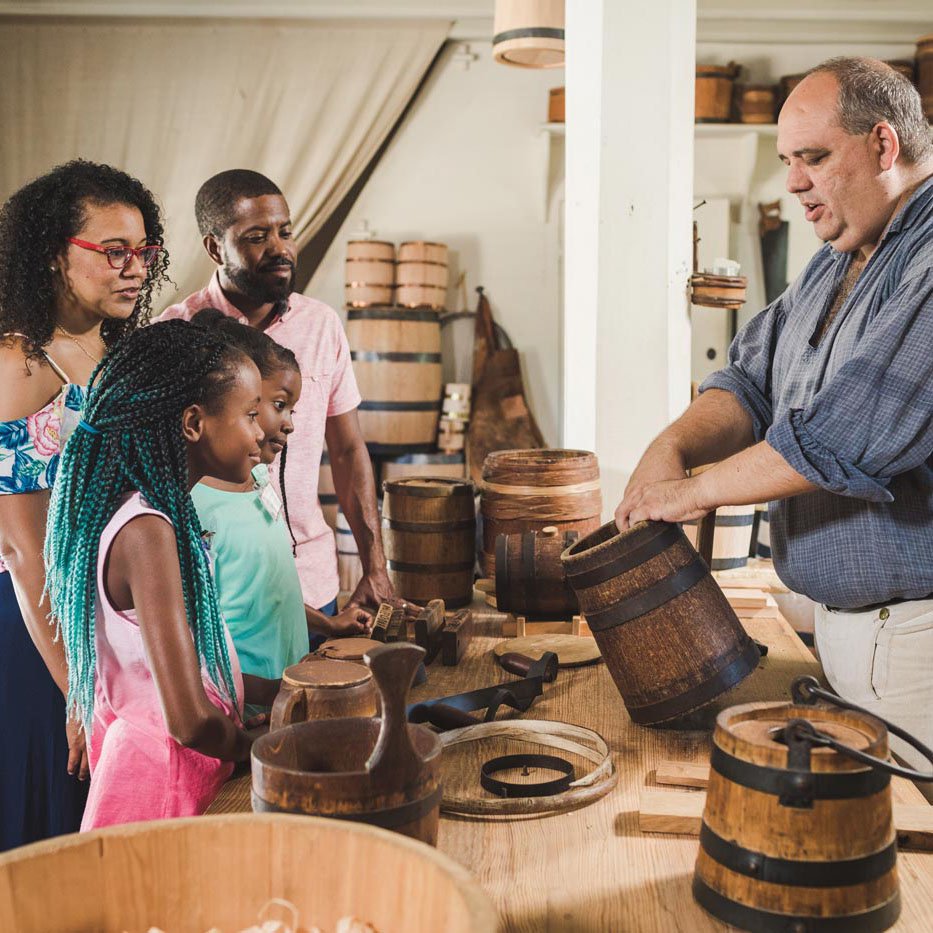
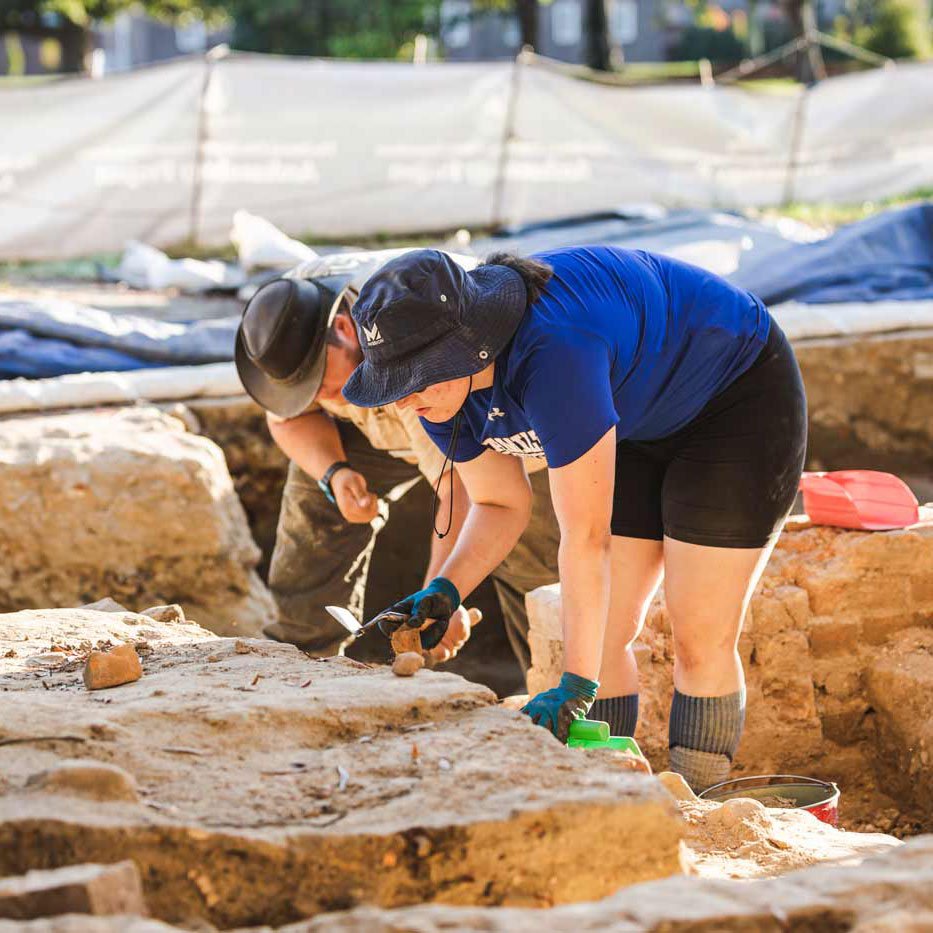
Colonial Williamsburg's education and preservation programs and activities include archaeology, historical research, building and grounds preservation, historic trades demonstrations, living history programs, educational outreach programs, and conservation of art and antiques.
Colonial Williamsburg educational outreach programs
Colonial Williamsburg actively supports history education in schools and homes by engaging in a wide variety of educational outreach programs and activities. Through books, videotapes, recordings and other media, Colonial Williamsburg presents the stories, words and music of 18th-century Virginians.
Electronic field trips transport students from across the country to Colonial Williamsburg, enabling them to meet People of the Past and, in many cases, converse with them about the individual choices they confront on the eve of the American Revolution.
Whether they are schooled in public institutions or their own homes, study visits to Colonial Williamsburg take hundreds of thousands of students back in time 223 years, exciting young people about our common past. Through the Williamsburg Teacher Institute, Colonial Williamsburg inspires hundreds of history teachers from across the country. During weeklong, on-site classes the Historic Area serves as a living laboratory where teachers learn innovative and engaging ways to teach about the past.
A range of present-day topics is explored against the background of Williamsburg at a variety of annual events: The Williamsburg Antiques Forum, Williamsburg Garden Symposium and Colonial Williamsburg History Forum. In addition, our Continuing Education programs provide hands-on training, led by Colonial Williamsburg experts, in a wide range of topics.
With the College of William and Mary, Colonial Williamsburg sponsors The Omohundro Institute of Early American History and Culture, an organization devoted to research and publication. The foundation and the college also sponsor workshops, courses and seminars on colonial culture and architecture.
Colonial Williamsburg visitors
Among more than 100 million Historic Area visitors since 1932 have been many of the world's leaders, including: Presidents Franklin Roosevelt, Harry Truman, Dwight Eisenhower, Lyndon Johnson, Richard Nixon, Gerald Ford, Jimmy Carter, Ronald Reagan and Bill Clinton. More than 100 heads of state and government have toured the site on their way to call on the White House. Other officials, ministers and celebrities have also visited.
Philanthropic support
As a private, not-for-profit educational institution, The Colonial Williamsburg Foundation needs and encourages tax-deductible gifts and bequests from all who treasure the Williamsburg experience.
Gifts to Colonial Williamsburg enable the research, documentation and interpretive training fundamental to the presentation of programs in Historic Area buildings, trade shops and museums; acquisition and conservation of art; preservation and maintenance; production of publications and audiovisual programsall its educational activities.
The Foundation is heartened and encouraged by the thousands of philanthropic corporations, other foundations and individuals who are helping to build a base of financial support for Colonial Williamsburg.
Principal Officers
Colin G. Campbell, President, Chairman, Board of Trustees
and Chief Executive Officer
For more information
The Colonial Williamsburg Foundation
P.O. Box 1776
Williamsburg, Virginia 23187-1776
(757) 220-7286

Shop Online
Tour the Town Online
Kids Zone: Online games & activities