Page content
View related multimedia and links
Pasteur & Galt Apothecary Shop
- Dr. William Pasteur established his first Williamsburg apothecary shop in 1759
- Dr. John Minson Galt opened his apothecary in 1768
- Partnership formed in 1775, six days before the theft of gunpowder from the Magazine
- Dr. Pasteur treated Governor Botetourt
- Dr. Galt served as military surgeon and director of state apothecary
Newspaper advertisement announced partnership
The April 15, 1775, issue of the Virginia Gazette contains the following notice of the opening of a Williamsburg apothecary shop:
"The Subscribers having this Day entered into Partnership, beg leave to acquaint the Publick in general, and their Friends and Neighbours in particular, that they intend practicing Physick and Surgery to their fullest Extent, and that they intend also, as soon as the Situation of the Times will admit, to keep full and complete Assortments of Drugs and Medicines, which they will endeavour to procure of the very best in Quality, and will take Care to have them fresh by making several Importations in the Year. It is proposed that John M. Galt shall pay his particular Attention to Surgery, to whom our Friends are desired to apply on all such occasions, but will be advised and assisted by W. Pasteur in all difficult cases. They both desire to make their most grateful Acknowledgments to their Friends and Customers for the many Favours and Civilities they have received, and hope, by this Union, they will be enabled to carry on their Business to the entire Satisfaction of their Friends; as, on their Part, the strictest Assiduity and Attention shall be observed." PASTEUR & GALT
Pasteur and Galt were competitors prior to joining forces
There were several apothecary shops operating in Williamsburg throughout the 18th century. Pasteur and Galt had run two competing apothecary shops before joining forces.
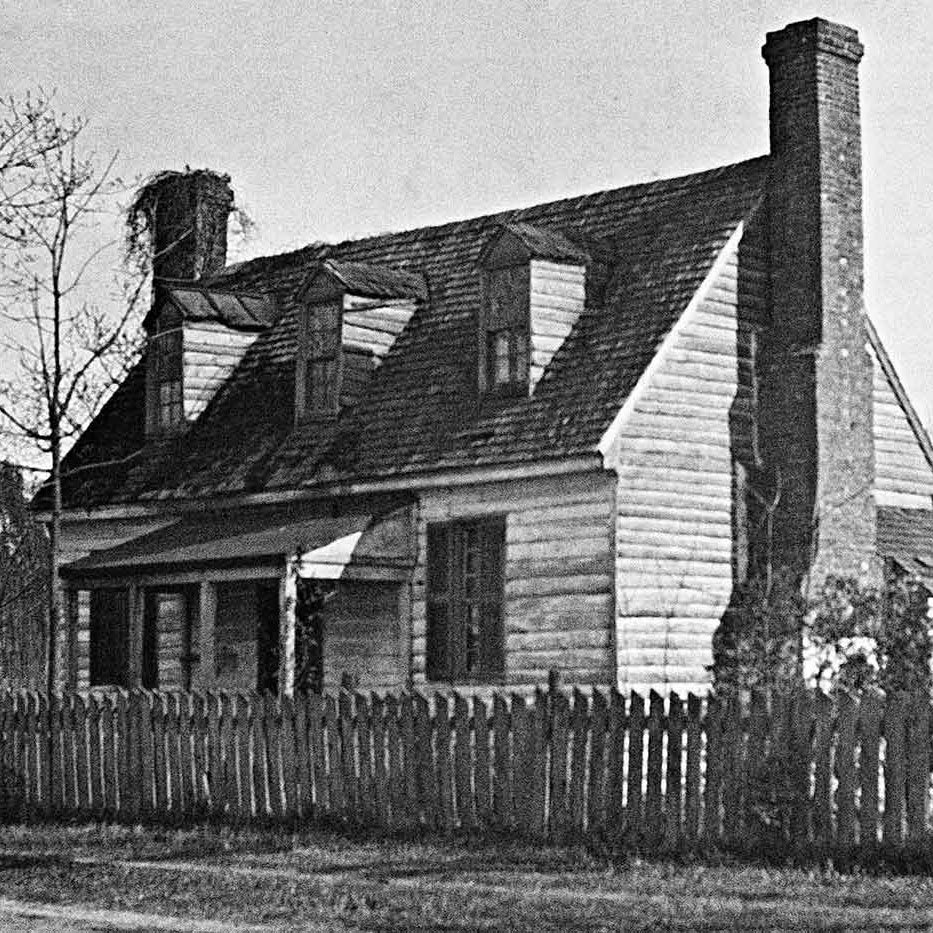
Perhaps Pasteur and Galt looked on the combination of their efforts in the little business near the Capitol on Duke of Gloucester Street as a likely way to improve their incomes by reducing their overheads. Six days later the Revolution all but began in Virginia with the theft of gunpowder from the Magazine. The partnership lasted until 1778, at which time Pasteur retired from medicine. Galt continued in the business. Their reconstructed shop stands today where the original once did. It is stocked and furnished much as it was then, down to copies of Galt's medical certificates hanging on the walls.
Dr. William Pasteur established his first Williamsburg shop in 1759. He had apprenticed under Dr. George Gilmer, Senior, of the town, then studied in London for about a year at St. Thomas's Hospital.
Dr. John Minson Galt had attended the College of William and Mary before serving an apprenticeship in medicine. The apprenticeship was followed by a year at St. Thomas hospital in London. In addition, he had trained under London's eminent Hugh Smith and attended lectures on midwifery by Colin McKenzie. He returned to Williamsburg and opened his apothecary in 1768.
Apothecary held medicine and supplies for treating patients
Tools for preparing and mixing medicines, for bleeding patients, for surgery, for setting broken bones, and for extracting teeth were close at hand in a colonial apothecary shop. Medicines were either stored as raw materials in drawers or cupboards, or mixtures of the raw materials were prepared and stored ahead of time, sometimes in very decorative jars. These raw materials and compounds could be purchased, often with the patient bringing in his own container to hold the ingredients for the trip home.
Most of the mystery and art of the apothecary was in mixing the raw ingredients of the potions he prescribed, but his stock in trade might range from groceries to bedpans. The advertisement of another Williamsburg apothecary, printed in September 1774, promised a fresh assortment of drugs and medicines in addition to:
"Anchovies, Capers, Allspice, Pepper, Ginger, Best Sallad and Barbers Oil, Durham Mustard, Sago, Salop, Saltpetre, Cloves, Cinnamon, Nutmegs, Honey, Lavender, and Orange Flower Waters, Anodyne Necklaces, Court Plaister, White and Brown Sugar Candy, Barley Sugar, Candied almonds, Carraway Comfits, Orange Chips, Prunes, Essential Salt of Lemons, which make good Punch, and takes all Kinds of Stains and Spots out of Linen, &c. Anderson's, Lockyer's, and Keyser's Pills, Eau de Luce, Hill's Balsam of Honey, Do. Tinctures of Valerian, Golden Rod, Elixir Bardana, and Essence of Water Dock, Turlington's Balsam, Godfrey's and Freeman's Cordials, James's Fever Powders, Bateman's and Jesuit's Drops, British Oil, Stoughton's Bitters, Blackrie's Lixivium for the Stone and Gravel, Squire's and Daffey's Elixirs, Dickenson's Drops for Convulsion Fits, Copperas, Logwood, Borax, Birdlime, Red and White Lead, Verdigrise, Prussian Blue, French and Pearl Barley, Breast Pipes, Nipple Glasses, Urinals, Smelling Bottles, Tooth Brushes, Antimony, Brimstone, Spelter, Zink, Rotten Stone, Pewter, Syringes, Lancets, Crucibles, Black Lead Pots, Pill Boxes, Vials, Gallipots, Glister Pipes, &c."
Keyser's Pills advertised in 1772
Galt advertised Keyser's Pills in August 1772 with testimonials from four dukes and a lord. They cured "Rheumatism, Asthma, Apoplexy, Palsy, Giddiness of the Head, Dropsey, the Sciatica . . . Diseases of the Eyes . . . and afforded vast relief in the Gout." They also combated a complaint called "the Flour Albus" and effectively removed "Every Appearance of a Certain Fashionable Distemper." Discounts were offered for purchases in quantities larger than a dozen.
Among Pasteur's patients was Governor Botetourt. With Dr. John de Sequeyra of the Public Hospital, he treated Botetourt in his final illness in October 1770. They diagnosed his sickness as "a bilious fever and St. Anthony's fire." Pasteur remained in practice until 1778.
During the Revolution, Galt became a military surgeon and served as director of the state apothecary until 1780. In 1795 he became a visiting physician to the Public Hospital, then was appointed to its court of directors, serving in both capacities until his death in 1808.
Multimedia and related links
-
Slideshows
- more...
-
Podcasts
- View descriptions
-
For What Ails You
For poxes, headaches, and fevers, the apothecary has a preparation to ease your symptoms. Medical historian Susan Pryor details the treatments. May 19, 2008
Audio podcast: Listen (mp3) | Transcript
Image enhanced: View (m4a) | Transcript
-
Telling the story of colonial women.
Kristen Spivey reveals some surprises about 18th-century women and their role in history. March 6, 2006
Audio podcast: Listen (mp3) | Transcript
Image enhanced: View (m4a) | Transcript
-
Carolyn Wilson on Interpreting an American Lady
Carolyn Wilson talks about her passion for what it means to be an American citizen and her love for interpreting Betty Randolph in Colonial Williamsburg's Historic Area. August 15, 2005
Audio podcast: Listen (mp3) | Transcript
Image enhanced: View (m4a) | Transcript
-
Weapons and Militia in 18th-Century Williamsburg
Military Interpreter Stewart Pittman talks about a company of 14-year-old boys who rob a booby-trapped Magazine and arm themselves with blue-painted muskets in 1775. He also answers some popular questions about musket firing and accuracy. September 11, 2006
Audio podcast: Listen (mp3) | Transcript
Image enhanced: View (m4a) | Transcript
-
Basketmaking: A Skill Learned With the Hands
Colonial Williamsburg basketmaker Richard Carr talks about the necessity of basketmaking in the 18th century, and why it has become a rare skill in modern times. November 20, 2006
Audio podcast: Listen (mp3) | Transcript
Image enhanced: View (m4a) | Transcript
-
The Brick Kiln
This October, the brick kiln in Colonial Williamsburg's Historic Area will burn for five days and nights. October 9, 2006
Audio podcast: Listen (mp3) | Transcript
Image enhanced: View (m4a) | Transcript
- more...
- Quicktime 7 (free) is required to view the enhanced and video podcasts.
- Subscribe to our podcast RSS feeds:
Audio | Image enhanced | Video
-
Games & Interactive
-
Interactive
-
Tour the Town

Explore the Historic Area online.
-
Games
-
Daily jigsaw
Piece together scenes from the Historic Area.
- more...
-
Downloads
-
Wallpapers
-
To the Apothecary
-
Wagon in winter
-
Winter Carriage
- more...
-
Journal articles
-
That Quacking Sound in Colonial America
-
Colonial Germ Warfare
-
Wit, Mirth & Spleen
"A method to cure a Cold"
-
The Art and Mystery of the Apothecary
- more articles...

Daily jigsaw puzzles